I have a confession: early in my Pilates journey, I used to skip stretching. I'd rush through the cool-down to get to my next obligation, telling myself that the workout was the important part. It took a frustratingly tight hip flexor and a conversation with my BASI mentor to realize that stretching wasn't the afterthought — it was a vital part of the practice. Now, at every Glow Wellness event, I dedicate serious time to flexibility work because I've seen how profoundly it transforms my students' bodies and their relationship with movement.
Stretching is one of the most misunderstood aspects of fitness. Most people either stretch incorrectly, at the wrong time, or not at all. This guide breaks down the science behind stretching, explains what actually works, and gives you a practical framework you can use today.
What's the Difference Between Dynamic and Static Stretching, and When Should You Do Each?
Not all stretching is created equal, and using the wrong type at the wrong time can actually hinder your performance or increase injury risk. Understanding the distinction between dynamic and static stretching is fundamental to an effective flexibility practice.
Dynamic stretching involves controlled movements through a full range of motion — leg swings, arm circles, walking lunges, cat-cow stretches. These movements gradually increase your heart rate, warm up muscle tissue, and prepare your neuromuscular system for activity. Dynamic stretching should be performed before exercise.
Static stretching involves holding a position at the end of your range of motion for 30-60 seconds — a seated forward fold, a standing quad stretch, a figure-four hip opener. These stretches lengthen muscle fibers and connective tissue over time. Static stretching is most effective after exercise when muscles are warm.
A 2022 systematic review in the British Journal of Sports Medicine confirmed this timing distinction. The review found that dynamic stretching before exercise maintained or slightly improved performance, while static stretching before exercise temporarily reduced muscle strength by 3-5%. However, static stretching performed post-exercise improved long-term flexibility by an average of 15-20% over 8 weeks.
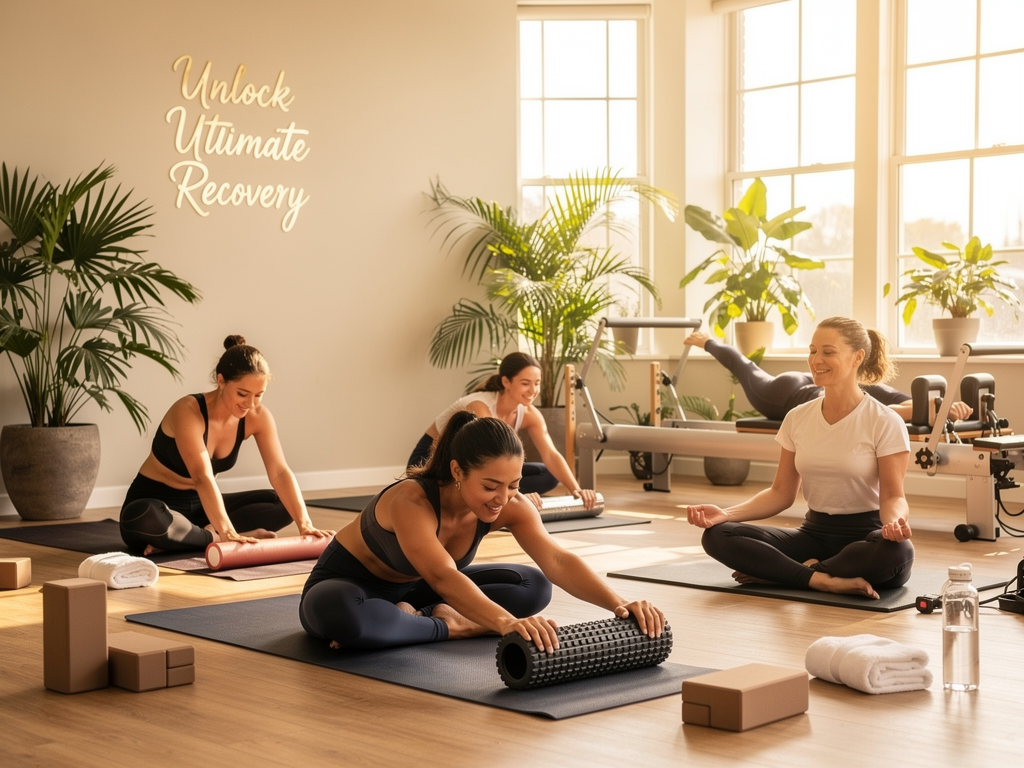
At Glow Wellness events, I structure our warm-up with 5-7 minutes of dynamic movement: spinal articulation, hip circles, shoulder rolls, and gentle flowing sequences that wake up the body without forcing anything. Our cool-down includes 8-10 minutes of static holds targeting the major muscle groups we worked during class. This sequencing ensures our attendees get the full benefit of both modalities.
Which Areas of the Body Need the Most Stretching Attention?
Modern lifestyles create predictable patterns of tightness. If you sit for extended periods — driving, working at a desk, scrolling your phone — certain muscle groups chronically shorten while their opposing muscles weaken. Understanding these patterns helps you prioritize your stretching time.
Hip flexors: Sitting for hours keeps your hip flexors (primarily the psoas and iliacus) in a shortened position. Tight hip flexors pull your pelvis forward, contributing to lower back pain and reduced glute activation. I see this in nearly every woman who attends her first Glow event. A kneeling hip flexor stretch held for 60 seconds per side can produce immediate relief.
Hamstrings: These large muscles at the back of your thighs tighten from both sitting and from exercise. Tight hamstrings restrict pelvic mobility, making it difficult to maintain proper form during Pilates exercises like roll-ups and leg circles. A standing forward fold or supine hamstring stretch with a strap is ideal.
Thoracic spine: The mid-back region becomes stiff from hunching over screens. Thoracic mobility is essential for good posture, healthy shoulder function, and deep breathing. A foam roller extension or open book stretch can dramatically improve thoracic mobility in just weeks.
Chest and anterior shoulders: Forward-rounded posture tightens the pectoralis muscles and anterior deltoids. This creates that hunched appearance many desk workers develop. A doorway stretch or prone chest opener counteracts this pattern effectively.
Calves and ankles: Often overlooked, tight calves restrict ankle dorsiflexion — the ability to bend your ankle so your knee moves forward over your toes. Limited ankle mobility affects everything from walking gait to squat depth. A wall calf stretch held for 45-60 seconds per side addresses this directly.
During my BASI certification, we studied fascial lines — the continuous networks of connective tissue that run through the body. Tightness in one area creates compensations elsewhere. A tight psoas doesn't just affect your hip — it can contribute to back pain, restricted breathing, and even neck tension. This interconnected view is why I design each Glow event's stretching sequence to address the whole body, not just isolated muscles.
How Do You Stretch Properly Without Risking Injury?
Proper stretching technique is surprisingly nuanced. The "no pain, no gain" mentality that pervades fitness culture is especially dangerous when applied to flexibility work. Here are the principles I teach at every event:
Never bounce. Ballistic stretching — bouncing at the end range of a stretch — triggers the stretch reflex, causing muscles to contract protectively rather than lengthen. This increases injury risk and actually works against flexibility gains. Move slowly and steadily into each position.
Breathe into the stretch. Deep, slow breathing activates the parasympathetic nervous system, which signals muscles to release tension. On each exhale, you may naturally find slightly more range of motion. Use this breath-guided approach rather than forcing depth.
Feel tension, not pain. There's a clear line between productive discomfort (gentle pulling sensation in the target muscle) and pain (sharp, burning, or radiating sensations). Pain is your body's warning system — respect it absolutely. If a stretch hurts, back off immediately.
Hold for adequate time. Research consistently shows that static stretches held for less than 20 seconds produce minimal flexibility gains. The sweet spot is 30-60 seconds per stretch, allowing the golgi tendon organ to override the initial muscle tension and permit lengthening. For particularly tight areas, two sets of 45 seconds is more effective than one set of 90 seconds.
Warm muscles stretch better. Attempting deep static stretches with cold muscles is one of the most common mistakes I see. If stretching outside of a workout context — morning routine or evening wind-down — do 3-5 minutes of light movement first: marching in place, gentle squats, or arm circles.
A 2021 study in the Journal of Sports Science and Medicine found that combining proper breathing with progressive static stretching increased hamstring flexibility by 25% more than the same stretches performed without breath awareness. This is one of many reasons I integrate breath cues into every stretching segment at our events.
How Does Stretching Support Recovery After Exercise?
Post-workout stretching serves multiple recovery functions that go beyond simply "cooling down." Understanding these mechanisms helps you appreciate why those final 10 minutes of class are just as important as the workout itself.
Improved circulation: Gentle stretching after exercise promotes blood flow to worked muscles, delivering oxygen and nutrients needed for repair while removing metabolic waste products like lactate. This enhanced circulation can reduce the severity of delayed-onset muscle soreness (DOMS) that often peaks 24-48 hours post-exercise.
Nervous system reset: Exercise, especially challenging Pilates work, activates the sympathetic nervous system (your "fight or flight" response). Static stretching, combined with slow breathing, transitions your body into a parasympathetic state — the "rest and digest" mode where recovery actually happens. This neurological shift is why so many women at our events describe feeling "blissfully calm" after the stretching portion.
Fascial hydration: The fascial system — the continuous web of connective tissue that surrounds every muscle, organ, and cell — responds to sustained, gentle stretching by becoming more hydrated and pliable. Research in Fascia Research Congress proceedings has shown that regular stretching improves fascial glide, reducing the adhesions and "knots" that contribute to chronic tightness and discomfort.
Psychological closure: This is underappreciated. The stretching and relaxation portion of a workout provides a transition ritual between exercise and daily life. It gives your brain time to process the physical experience and integrate the mental clarity that movement creates. Skipping this transition — as I used to do — means carrying exercise-level arousal into situations that call for calm.
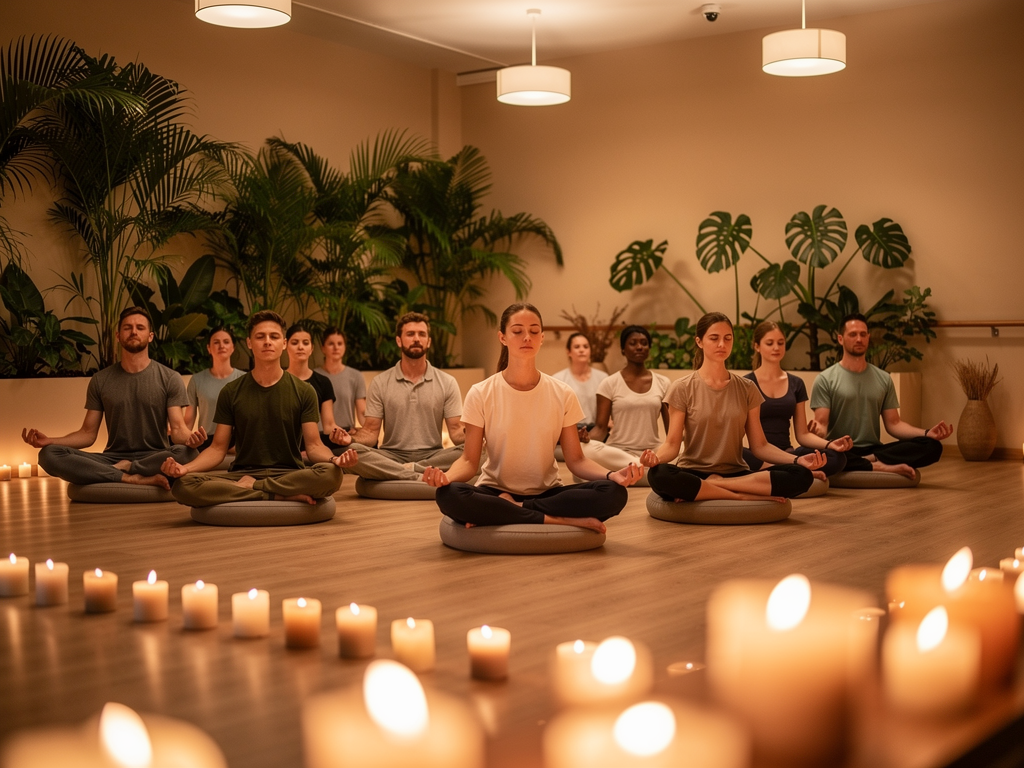
At every Glow Wellness event, our cool-down stretching sequence is accompanied by guided breathing and gentle music. I intentionally create an atmosphere that signals to both body and mind: this is your time to recover, to release, to receive the benefits of the work you just did. It's not just stretching — it's a complete nervous system reset.
What Does a Practical Daily Stretching Routine Look Like?
You don't need an hour to maintain and improve your flexibility. A focused 10-15 minute daily practice targeting the areas described above will produce noticeable results within 4-6 weeks. Here's a simple framework:
Morning routine (5 minutes):
1. Cat-cow stretches: 8 repetitions, linking breath to movement (2 min)
2. Standing forward fold: Hold 45 seconds, soft knees, ragdoll upper body
3. Standing hip flexor stretch: 45 seconds per side, back knee on a pillow
4. Doorway chest stretch: 30 seconds, both arms at 90 degrees
Evening routine (7-10 minutes):
1. Supine figure-four stretch (hip opener): 60 seconds per side
2. Supine hamstring stretch with a strap or towel: 45 seconds per side
3. Supine spinal twist: 45 seconds per side
4. Child's pose with arms extended: 60 seconds
5. Seated neck stretches: 30 seconds per side, ear to shoulder
The evening routine is particularly powerful because it activates the parasympathetic nervous system before sleep. Many of my Glow community members report improved sleep quality after adopting this practice — falling asleep faster and waking less during the night.
Consistency is everything. Ten minutes daily will produce dramatically better results than an hour-long stretch session once a week. Your tissues respond to regular, gentle stimulus — not occasional intense effort. Think of flexibility as a daily practice, like brushing your teeth, rather than a sporadic intensive effort.
How Can Stretching Become a Form of Self-Care, Not Just Exercise?
This is where stretching transcends fitness and becomes something more personal. When you slow down, breathe deeply, and give your body the attention it deserves, stretching becomes a form of active self-care — a deliberate choice to prioritize your well-being in a world that constantly asks you to prioritize everything else.
I frame our cool-down at Glow events this way: "This isn't just for your muscles — this is for you. This is the moment where you thank your body for showing up today." The shift in energy when I say that is palpable. Women who were pushing through challenging exercises moments before suddenly soften, breathe deeper, and give themselves permission to simply receive.
Many of the ambitious, driven women who attend our events struggle with "doing nothing" — even beneficial nothing like stretching and rest. There's a cultural message that productivity equals worth, and lying on a mat holding a hip stretch can feel unproductive. But the women who embrace this practice consistently report that it's the 10 minutes of their day where they feel most like themselves.
Whether you join us at a Glow Wellness pop-up for guided stretching and recovery, or build your own daily practice at home, know that every minute you spend stretching is an investment in your body's longevity, your movement freedom, and your overall quality of life. Your body does extraordinary things for you every day — stretching is one of the simplest, most effective ways to say thank you.