When I first stepped onto a Pilates mat during my BASI certification training, I expected a workout. What I didn't expect was a complete shift in how I understood my own body. Pilates has become one of the most popular forms of exercise worldwide, and after years of teaching women across South Florida, I can tell you firsthand: the benefits go far beyond a stronger core.
Whether you're a complete beginner or someone looking to deepen an existing practice, understanding the science behind Pilates can help you get more from every session. Here are five evidence-based benefits I see transform my students' lives.
How Does Pilates Build Core Strength Differently Than Other Workouts?
At the heart of every Pilates exercise is core activation — but not the kind you might associate with endless crunches. Pilates targets your deep stabilizing muscles: the transverse abdominis, multifidus, pelvic floor, and diaphragm. These muscles form a natural corset around your spine, providing support for every movement you make throughout the day.
A 2023 systematic review published in the Journal of Bodywork and Movement Therapies found that Pilates significantly improved core endurance and trunk stability compared to general exercise programs, particularly in women aged 25-55. The researchers noted that the mind-muscle connection emphasized in Pilates led to deeper activation patterns than traditional strength training.
At our Glow Wellness events, I always start class by teaching proper core engagement. I cue my students to imagine drawing their navel gently toward their spine while maintaining natural breath — not sucking in or holding tension. This distinction is everything. Once you learn to activate your deep core without compensating, movements that once felt impossible become accessible.
One of my students, a graphic designer who sat at a desk for 8+ hours daily, told me that after just six weeks of weekly Pilates, her chronic lower back pain had significantly improved. That's the power of core strength that actually transfers to real life.
Can Pilates Really Improve Your Flexibility and Range of Motion?
Flexibility isn't just about touching your toes — it's about moving through your full range of motion without restriction or pain. Regular Pilates practice gradually lengthens muscles through controlled, dynamic movements rather than aggressive stretching.
A 2022 study in the International Journal of Environmental Research and Public Health demonstrated that participants who practiced Pilates twice a week for 12 weeks showed a 20% improvement in hamstring flexibility and a 15% improvement in spinal mobility compared to a control group. The researchers attributed these gains to the eccentric muscle contractions and flowing transitions characteristic of Pilates.
What I love about teaching flexibility through Pilates is that it happens naturally within the movements. During a roll-down, for instance, you're not just stretching your hamstrings — you're articulating through each vertebra, mobilizing your spine while lengthening the entire posterior chain. Every exercise serves multiple purposes simultaneously.
I always tell my students that flexibility is earned through consistency, not force. At every Glow event, I provide modifications so that each person works within their current range while gradually expanding it. There's no competition — only your own progress week over week.
Why Is Pilates So Effective for Posture and Alignment?
Modern life is tough on posture. Hours of sitting, phone scrolling, and computer work pull our bodies into forward-flexed positions that create muscle imbalances. Pilates directly addresses these patterns by strengthening the muscles that support upright posture while releasing the ones that pull us out of alignment.
Joseph Pilates himself said, "In 10 sessions you'll feel the difference, in 20 you'll see the difference, and in 30 you'll have a whole new body." While individual results vary, research supports the posture-correcting benefits. A 2021 meta-analysis in the Journal of Physical Therapy Science found that Pilates interventions lasting 8 weeks or longer produced significant improvements in thoracic kyphosis (rounded upper back) and forward head posture in office workers.
During my certification through BASI (Body Arts and Science International), alignment was the cornerstone of every exercise we learned. BASI emphasizes what they call the "Block System" — visualizing your body as stacked blocks (head, ribcage, pelvis) that should be aligned over each other for optimal function. This framework changed how I teach and how my students carry themselves off the mat.
At our pop-up events, I spend time cueing alignment before we even begin moving. I walk around the room, gently adjusting shoulders and reminding women to lengthen through the crown of their head. These small corrections create awareness that carries into daily life. Multiple attendees have told me they now catch themselves sitting taller at their desks because they hear my voice in their head.
What Is the Mind-Body Connection in Pilates, and Why Does It Matter?
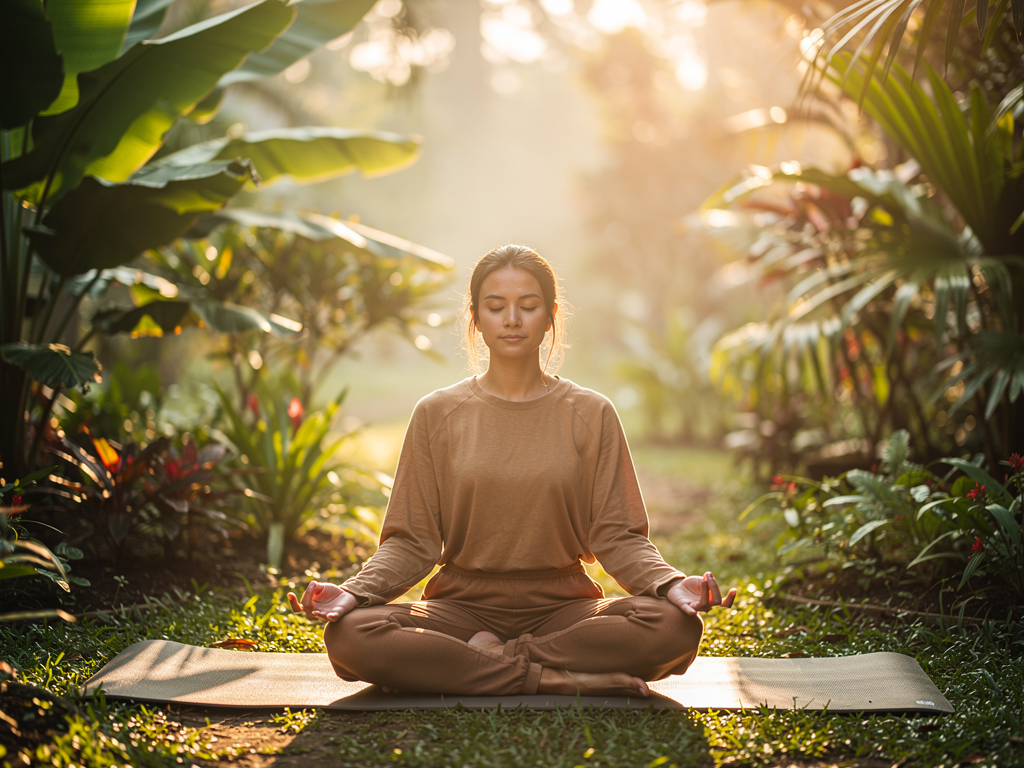
Pilates is often described as "thinking exercise," and that's not an exaggeration. Unlike workouts where you can zone out or scroll your phone, Pilates demands your full attention. Every movement requires you to coordinate breath, alignment, and muscle engagement simultaneously. This focused awareness creates a meditative state that reduces stress and improves mental clarity.
Neuroscience research has shown that mind-body exercises like Pilates activate the prefrontal cortex — the brain region responsible for attention, planning, and emotional regulation. A 2023 study in Frontiers in Psychology found that participants who practiced mind-body exercise reported 32% lower perceived stress levels and improved emotional well-being compared to those doing conventional exercise alone.
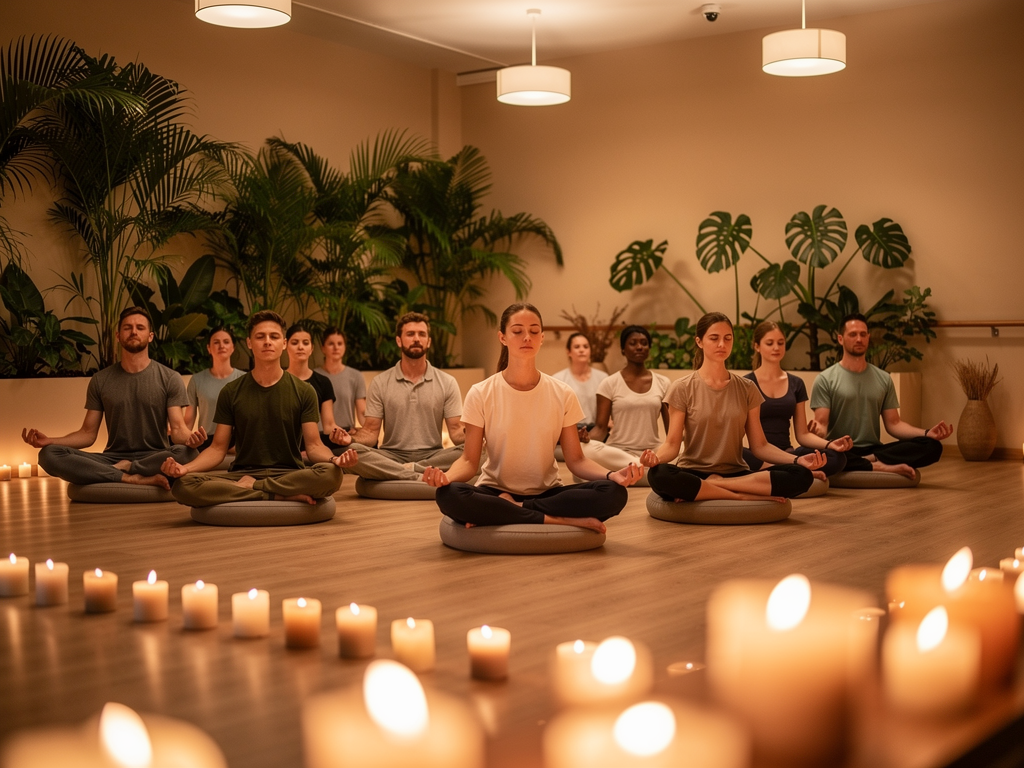
This is exactly why I pair Pilates with guided meditation at every Glow Wellness event. The Pilates class opens your body and focuses your mind; the meditation deepens that internal connection. Together, they create something more powerful than either practice alone.
I've personally experienced the mental health benefits during challenging seasons of building Glow Wellness. Running a business while teaching classes can be overwhelming, but stepping onto my mat brings me back to center every time. That 45 minutes of focused movement resets my nervous system and gives me clarity I can't find any other way.
For the ambitious women who attend our events — professionals, entrepreneurs, mothers juggling multiple responsibilities — this mind-body reset is often the benefit they value most. It's not just about the physical workout; it's about creating space to breathe and reconnect with yourself.
How Does Pilates Help Prevent Injuries and Support Rehabilitation?
Pilates was originally developed as a rehabilitation method. Joseph Pilates created his system while working with injured World War I soldiers, using springs and resistance to help them rebuild strength safely. This rehabilitative DNA is still at the core of modern Pilates practice.
The low-impact nature of mat Pilates makes it exceptionally safe for people recovering from injuries or managing chronic conditions. A 2022 Cochrane systematic review confirmed that Pilates-based exercise was effective in reducing chronic low back pain and improving functional ability, with effects lasting beyond the intervention period.
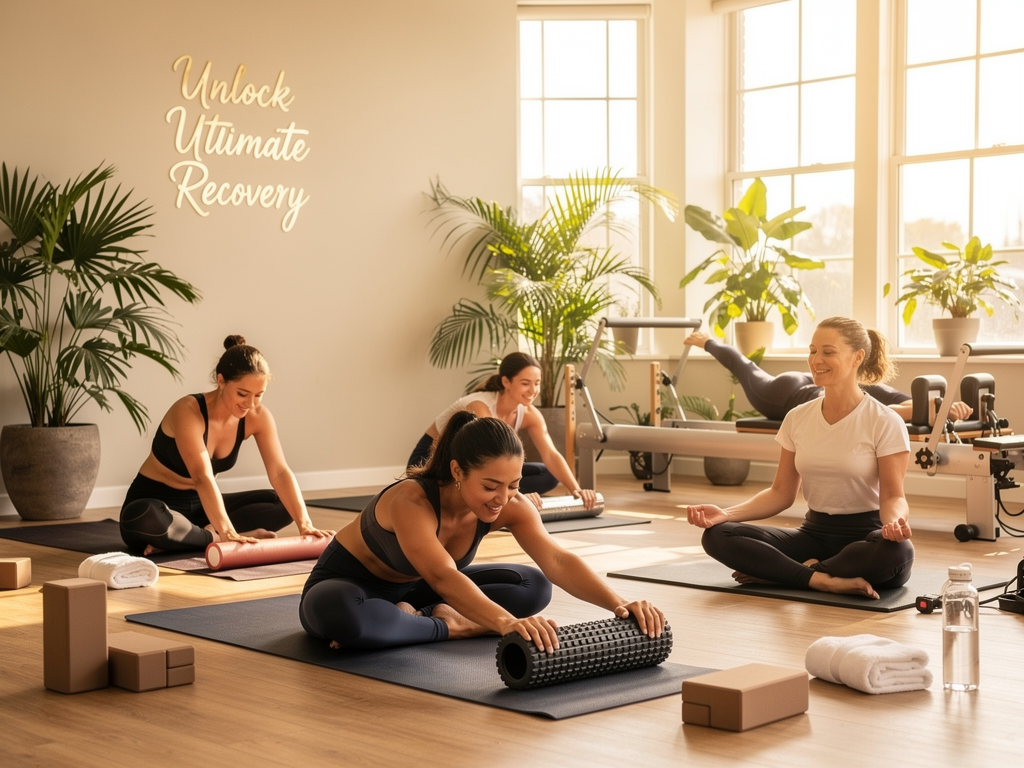
As a BASI-certified instructor, I was trained extensively in contraindications and modifications. At every Glow Wellness event, I offer at least two variations of each exercise — one for beginners or those with limitations, and a progression for more advanced practitioners. No one should ever feel left behind or pushed beyond their comfort zone.
The injury prevention aspect comes from Pilates' emphasis on balanced muscle development. While many workouts focus on the "mirror muscles" (the ones you can see), Pilates targets the deeper stabilizers that protect your joints. Strengthening your rotator cuff muscles, for example, protects your shoulders during everyday activities like lifting groceries or reaching overhead.
I always emphasize to my students that consistency with proper form trumps intensity every time. Five perfectly executed repetitions will do more for your body than twenty sloppy ones. This philosophy keeps our community injury-free and progressing sustainably.
How Can You Get Started with Pilates Today?
Starting a Pilates practice doesn't require expensive equipment or prior fitness experience. All you need is a mat, comfortable clothing, and an open mind. Here are my recommendations for beginners:
Find qualified instruction. Look for instructors certified through recognized programs like BASI, STOTT, or Balanced Body. A good instructor will assess your needs, offer modifications, and ensure proper form. Group classes like our Glow Wellness events are a wonderful way to experience Pilates in a supportive, non-intimidating environment.
Start with mat Pilates. Mat work teaches you to use your own body weight as resistance, building a strong foundation before progressing to equipment. Every exercise at our events is mat-based and suitable for all fitness levels.
Commit to consistency over intensity. Two to three sessions per week is ideal for seeing results. Even one session per week — like attending a monthly Glow event and practicing at home between gatherings — creates meaningful change over time.
Listen to your body. Pilates should feel challenging but never painful. If something doesn't feel right, modify or rest. There's no shame in taking the gentler option — that awareness is itself a sign of strength.
Whether you join us at a Glow Wellness pop-up in South Florida or start your practice at home, know that every woman who steps onto a Pilates mat is making an investment in her long-term health, strength, and well-being. The benefits compound over time, and the community you build along the way makes the journey infinitely richer.