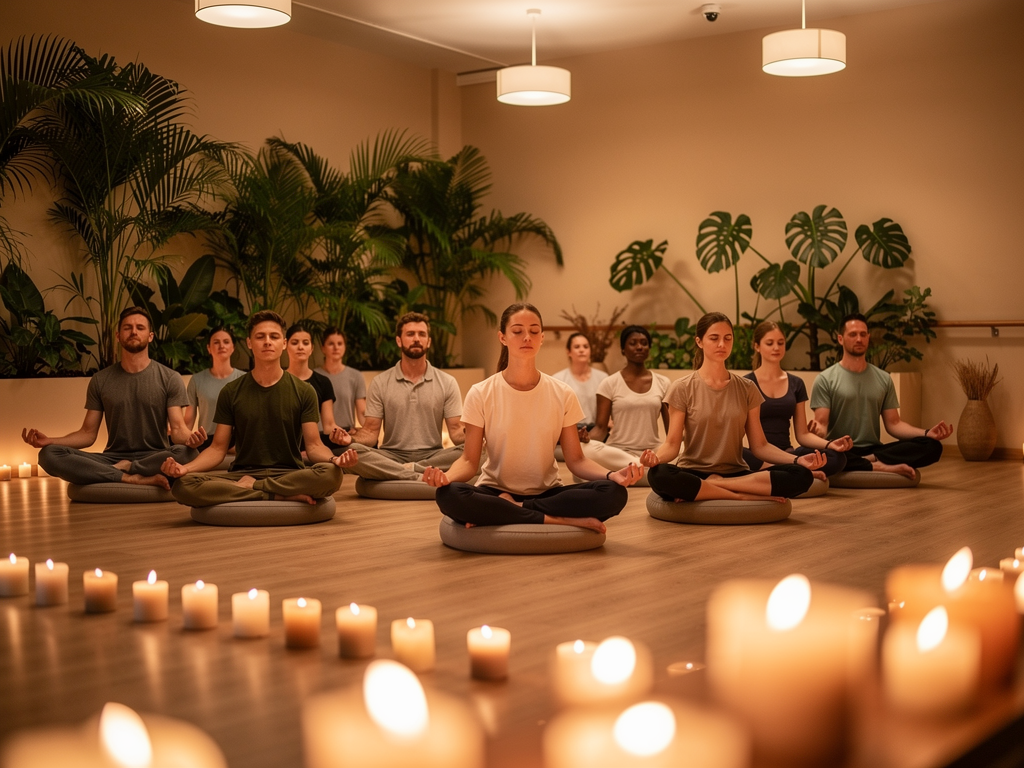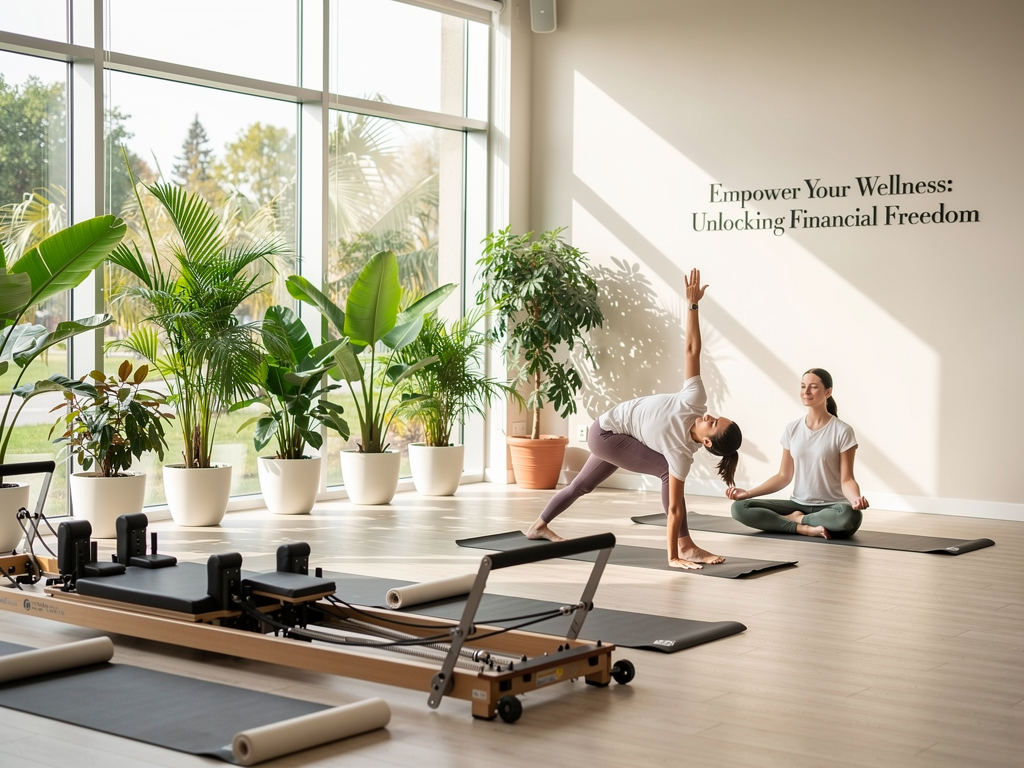
When I hosted the first Glow Wellness pop-up in Davie, FL, I expected women to show up for the Pilates class and the complimentary coffee. What I didn't expect was the moment after class when nobody wanted to leave. Women who had arrived as strangers were exchanging phone numbers, making brunch plans, and asking when the next event would be. That's when I realized Glow wasn't just a fitness event — it was filling a real need for connection that many women were starving for.
The power of community in wellness is something I feel deeply as both an instructor and a founder. And the research backs up what I've witnessed: practicing wellness alongside others doesn't just feel good — it produces measurably better outcomes for physical health, mental well-being, and long-term habit formation.
Why Does Practicing Wellness in Community Produce Better Results?
Humans are fundamentally social creatures. Our nervous systems are wired to co-regulate with others — meaning we literally calm down, focus better, and feel safer when surrounded by people we trust. This isn't just psychology; it's neurobiology.
A 2023 study published in The Lancet Psychiatry analyzed data from over 1.2 million adults and found that individuals who exercised in social settings reported 22.3% fewer poor mental health days per month compared to those who exercised alone. The researchers concluded that the social component of group exercise provides a distinct neurological benefit beyond the exercise itself.
At Glow Wellness events, I see this dynamic play out every single time. During our Pilates class, there's a collective energy in the room that elevates everyone's practice. When I cue a challenging exercise and I hear one woman laugh and say "oh, this is tough!" — the whole room smiles, relaxes, and tries harder because they know they're not alone in the struggle. That shared vulnerability creates safety, and safety creates growth.
The benefits compound over time. Women who attend multiple Glow events often tell me they feel more comfortable trying new things — whether it's a more advanced Pilates variation or simply introducing themselves to someone new. The community environment reduces the fear of judgment that keeps so many women from starting or deepening a wellness practice.
How Does Community Create Accountability Without Pressure?
Accountability is one of the most cited benefits of group wellness, but it needs to be the right kind. Toxic accountability — guilt, comparison, shame-based motivation — actually undermines well-being. Healthy accountability is gentle, built on mutual respect and genuine caring.
Research from the Journal of Consulting and Clinical Psychology found that people who pursued health goals with supportive social partners were 65% more likely to maintain their habits after six months compared to those who pursued goals alone. The key finding: the quality of social support mattered more than the quantity.
This is why I intentionally limit Glow Wellness events to 40 attendees. At that size, you can actually get to know the women around you. You notice when someone hasn't come to the last event. You text to ask if they're okay. You save them a spot on your mat row when they return. This organic accountability emerges naturally from genuine relationships, not from punitive systems or tracking apps.
One beautiful pattern I've noticed: women who meet at our events often start working out together between gatherings. They'll form small walking groups, share Pilates videos, or simply check in with each other about their wellness goals. The community we create at events ripples outward into daily life, creating sustained motivation that no solo practice can replicate.
What Role Does Vulnerability Play in Wellness Communities?
This might sound counterintuitive, but one of the most powerful things about group wellness is the permission to be imperfect. In a culture obsessed with optimized routines and highlight-reel fitness content, there's something profoundly healing about wobbling during a single-leg exercise alongside 39 other women who are also wobbling.
Researcher Brené Brown's work on vulnerability has shown that shared vulnerability is the birthplace of connection, creativity, and belonging. In the wellness context, this means admitting that you're struggling — with flexibility, with stress, with showing up for yourself — actually deepens your relationship with both the practice and the people around you.
I make space for this at every event. During our guided meditation, I often share my own struggles. I'll mention that I had a stressful week, that my own practice felt inconsistent, that I'm working through something personally. This isn't performative — it's genuine, and it gives others permission to be honest too. The feedback I receive consistently is that this authenticity is what makes Glow feel different from other fitness experiences.
After our sold-out Love Yourself Pop-Up in February 2026, I received a message from an attendee who said she almost didn't come because she felt "not fit enough." She wrote that within five minutes of being in the room, that fear disappeared completely. She felt welcome, supported, and genuinely celebrated for showing up exactly as she was. That message is taped to my bathroom mirror as a reminder of why community-centered wellness matters.
How Does Social Connection Impact Physical Health Outcomes?
The connection between social relationships and physical health is one of the most robust findings in modern medicine. Social isolation has been identified as a health risk comparable to smoking 15 cigarettes per day, according to research published by Julianne Holt-Lunstad in PLOS Medicine. On the flip side, strong social connections are associated with lower blood pressure, reduced inflammation, improved immune function, and even longer lifespan.
When we combine social connection with physical movement — as we do at Glow Wellness events — the benefits multiply. Group exercise has been shown to increase endorphin production beyond what individual exercise produces. A 2022 study from the International Journal of Behavioral Nutrition and Physical Activity found that group-based physical activity programs improved both exercise adherence and quality of life scores more than equivalent individual programs.
At our events, the wellness benefits extend beyond the mat. The complimentary specialty coffee and vendor marketplace create extended social time where genuine conversations happen. Women discuss their health goals, share product recommendations, swap recipes, and build the kinds of relationships that support well-being long after the event ends.
I've intentionally designed every element of the Glow experience to facilitate connection. The intimate venue size means you can actually hear someone when they speak to you. The curated vendor marketplace gives you a natural conversation starter. The shared endorphins from Pilates lower social barriers. Even the flowers on each mat are a touch that makes women feel cared for and more open to connecting with others.
How Do You Find a Wellness Community That Feels Right for You?
Not all wellness communities are created equal. The right community should make you feel welcomed, not judged; inspired, not inadequate; and connected, not compared. Here's what I've learned about what makes a wellness community thrive:
Values alignment matters most. A community built on appearance-based goals will feel very different from one built on holistic well-being. Before joining any group, ask yourself: does this community's mission resonate with how I want to feel, not just how I want to look?
Size affects intimacy. Massive classes and large online communities have their place, but for genuine connection, smaller is usually better. Research shows that meaningful group bonding occurs most naturally in groups of 8-50 people — which is exactly why Glow events cap at 40 attendees.
Consistency builds trust. Attending a community event once is nice. Attending regularly is transformative. Trust is built through repeated positive interactions over time. Give a new community at least three visits before deciding if it's right for you.
Leadership sets the tone. The instructor, facilitator, or organizer of a wellness community establishes the culture. Look for leaders who model vulnerability, welcome all levels, and prioritize experience over aesthetics.
Diversity enriches everyone. The best wellness communities include women at different life stages, fitness levels, and backgrounds. When you practice alongside someone whose experience is different from yours, you gain perspective and empathy that a homogeneous group can't provide.
How Can You Deepen Connections Within Your Wellness Community?
Showing up is the first step. Deepening your connections within a wellness community takes a bit more intentionality, but the rewards are immense:
Arrive early and stay after. The most meaningful conversations at Glow events happen in the ten minutes before class starts and the twenty minutes after. Give yourself that buffer time to connect.
Be curious about others. Ask the woman next to you what brought her to the event. Share something honest about your own journey. These small acts of openness create the foundation for lasting friendships.
Follow up outside events. If you click with someone, connect on Instagram or exchange numbers. Suggest a coffee date or a walk. Moving a relationship from event-only to everyday life is what transforms acquaintances into genuine friends.
Share your wins and struggles. Community deepens when we're honest about both. Celebrating someone's progress and supporting them through setbacks creates the kind of bonds that sustain long-term wellness commitment.
When I started Glow Wellness, my mission was to help women "glow from the inside out" through movement, mindfulness, and meaningful connections. After hosting multiple sold-out events and watching a real community form before my eyes, I can say with certainty that the connections piece is the most powerful of the three. Movement strengthens your body. Mindfulness calms your mind. But community? Community transforms your life.
Whether you're joining us at our next pop-up in Southwest Ranches or seeking a wellness community in your own area, know this: you don't have to do this alone. In fact, you weren't meant to. The most transformative wellness journeys are shared ones.